ExiTide Official Website › Blog › How to store ExiTide
How Should I Store ExiTide? Heat, Humidity and the Best-Before Date
Keep ExiTide in a cool, dry place below 30C (86F), as the label says, with the safety seal intact until first use and out of reach of children. A kitchen cupboard away from the hob suits it. A hot car, a steamy bathroom or a sunny window sill do not. The best-before is stamped on the base.
- Label wording: Store this product in a cool dry place below 30C (86F).
- Keep out of reach of children. Do not use if the safety seal is damaged or missing.
- Lot EXI-26/GE-7602 and the best-before are stamped on the base of the bottle.
- Two of the eleven rows are live cultures, and the fibre takes up water, which is why heat and damp matter.
- Whether the capsules need a fridge, and how the CFU count holds up over shelf life, are not published.
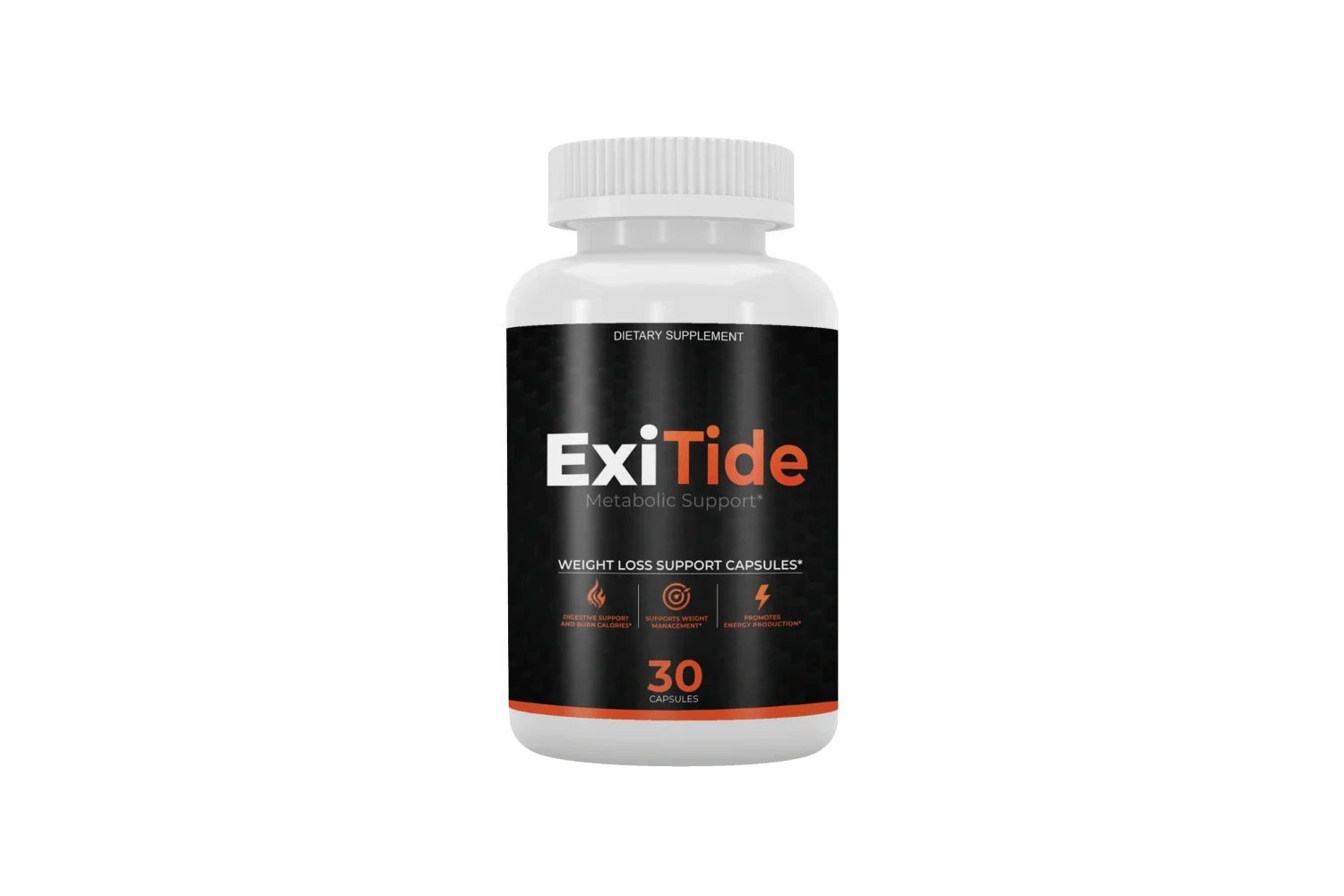
Want to know what arrives in the parcel?
Two sealed bottles of thirty capsules, with the lot and best-before on the base, are described on the site.
$49 to $79 a bottle · 60-day money-back guarantee
See today’s price and guaranteeGetexitide earns money on orders placed through this website. The checkout shows the live price before any payment details are asked for.
What does the label say about storage?
The bottle gives a short instruction. Store this product in a cool dry place below 30C (86F). It also says to keep the product out of reach of children, and not to use it if the safety seal is damaged or missing.
That is all the label commits to. It does not print a fridge instruction, and it does not give a best-before in months. The date itself is stamped on the bottle, so you read it from the bottle in your hand.
Where in a home is cool and dry?
| Place | Fit with the label | Why |
|---|---|---|
| Kitchen cupboard away from the hob | Good | Usually cool, dry and out of reach of children |
| Bedroom drawer or wardrobe shelf | Good | Stable and dry |
| Bathroom shelf | Poor | Steam adds damp |
| Sunny window sill | Poor | Sunlight heats the bottle |
| Car glove box or boot | Poor | Heat in a parked car can climb well past 30C |
| Gym bag in a warm room | Poor | Heat and sweat damp |
None of that is complicated. The aim is a place that stays below 30C (86F) and does not get wet. Pick one spot and use it every day.
Why do live cultures care about heat?
Two of the eleven rows are living organisms: Bifidobacterium breve and Akkermansia muciniphila, at 1 billion CFU each. A CFU is a count of organisms that are alive, and warmth is what a live culture loses first.
The accepted definition of a probiotic is live microorganisms that, given in adequate amounts, confer a health benefit. Adequate amounts is the load-bearing phrase. A bottle left in a hot car works against it, and that is the one part of the arrangement the buyer controls.
How the count holds up across shelf life is not published. Nor is whether the figure is measured at the end of shelf life. So the sensible response is to treat the storage line as a rule, not a hint.
Why does damp matter for the fibre?
Konjac glucomannan is a soluble fibre that can absorb up to fifty times its weight in water, according to the NIH. That is the point of the ingredient.
It also means the capsule fill is not something to leave in steam. A capsule shell sitting in a bathroom is not where the fibre does its best work. Keep the cap closed after every use, and wipe your fingers dry before you take one out.
Where do I find the lot and the best-before?
Turn the bottle over. The lot and the best-before are stamped on the base, not printed on the front. The lot this desk ships is EXI-26/GE-7602, and the certificate reference printed with it is EXI-7602-26-GE.
Both references are label markings, not a published laboratory report. A lot code identifies a production run and lets order support match the bottle to your order. The best-before tells you the age of the bottle. Read both off the bottle itself, not from a photograph.
The best-before value is not published on this site, because it is stamped per bottle.
How should I store it when travelling?
Keep the bottle in your hand luggage or your room, not in a parked vehicle. Heat in a closed car is the most common way a bottle ends up warmer than the label allows.
If you want to carry a few capsules, use a small dry container, and keep the original bottle at home with the lot and date on it. The lot is what lets a question about a capsule be matched to a batch.
The label does not list a travel rule beyond the temperature, so this is practical advice and not a published instruction.
When should I order the next bottle?
A bottle holds 30 capsules and the label asks for one a day, so a bottle runs 30 days from the first capsule. The seller publishes no handling or transit time. So the safe habit is to order while a week or so is still in the bottle.
Two reviewers on the seller's record wrote that the daily habit stuck and that they reordered before the last bottle ran out. That is a sensible way to avoid a gap, and it fits the storage point too. A bottle you use steadily spends less time on a shelf.
What does the safety seal tell you?
The label says not to use the product if the safety seal is damaged or missing. The check takes two seconds and it has to happen before the bottle is opened, because it cannot be made up afterwards.
If the seal is broken, do not take the capsules. Photograph the bottle and the base, keep the order email and call order support on +1 (302) 200-3480 with the order ID. A replacement is easier to arrange than the alternative.
Once the seal is open, storage is up to you. Close the cap firmly after each use, and keep the bottle in the same spot so you are not tempted to leave it by a radiator, in a car or on a bathroom shelf.
What is not published about storage?
The label gives one temperature rule and nothing else. Several things a careful reader might want are not published.
- Whether the capsules should be refrigerated, once opened or before.
- The shelf life in months, and the best-before value for your bottle until you read it.
- Whether the CFU count is measured at the end of shelf life.
- How long an opened bottle stays at its best.
- Any rule for travel beyond the temperature limit.
Where a fact is not published, this site says so and does not guess. If one of these matters to you, ask order support, or ask a pharmacist.
Frequently asked questions
How should I store ExiTide?
In a cool, dry place below 30C (86F), out of reach of children, with the safety seal intact until first use.
Does ExiTide need to go in the fridge?
Not published. The label asks for a cool dry place below 30C (86F) and gives no fridge instruction.
Where is the ExiTide best-before date?
Stamped on the base of the bottle, with the lot code. Turn the bottle over to read both.
Can I leave ExiTide in the car?
It is best not to. Heat in a parked car can pass the 30C (86F) limit, and two of the eleven rows are live cultures.
What if the safety seal is broken?
The label says not to use the product if the safety seal is damaged or missing. Call order support on +1 (302) 200-3480 with the order ID.
What if my lot code differs from EXI-26/GE-7602?
A different lot is not automatically wrong, because production runs change. Photograph the base and the label, then call order support.
Our view
Storage is the least glamorous part of a supplement and one of the few parts you fully control. The label asks for something easy: cool, dry, below 30C (86F), sealed until first use.
Do that, keep the cap closed, and read the date off the base. It costs nothing, and it keeps the live cultures and the fibre in the condition the label assumes.
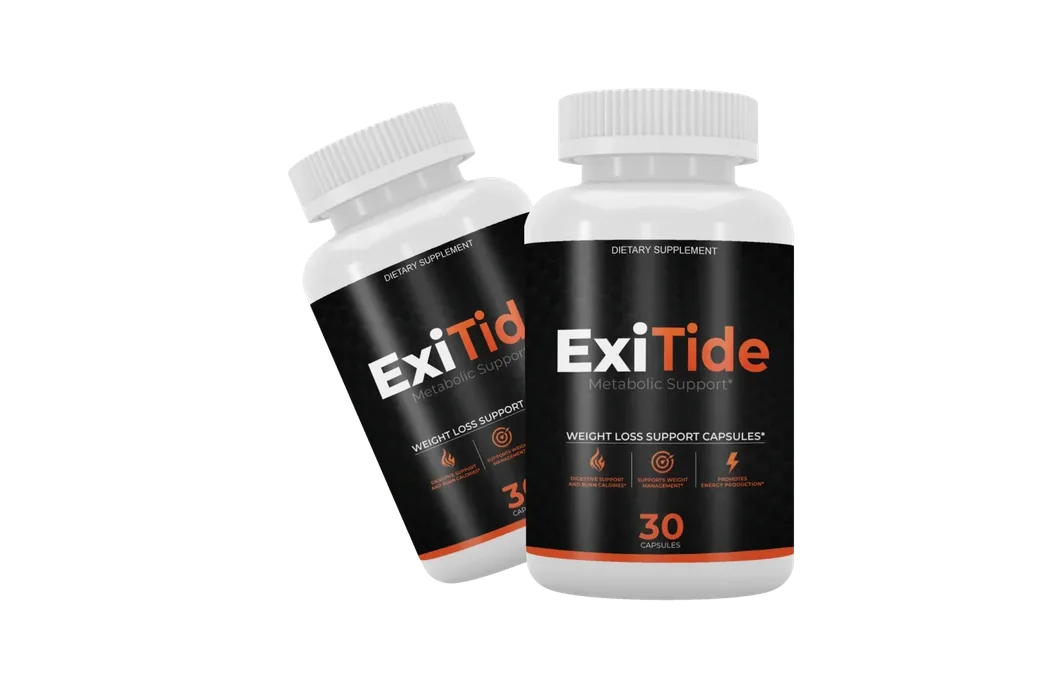
Ready to give it a place in the cupboard?
The 60 days start on the date of purchase. See today's price and the guarantee before you choose a pack.
$49 to $79 a bottle · 60-day money-back guarantee
See today’s price and guaranteeGetexitide earns money on orders placed through this website. The checkout shows the live price before any payment details are asked for.
Last updated
Sources named on this website and used here
- Hill C, Guarner F, Reid G, et al. Expert consensus document. The International Scientific Association for Probiotics and Prebiotics consensus statement on the scope and appropriate use of the term probiotic. Nat Rev Gastroenterol Hepatol. 2014;11(8):506-14. https://pubmed.ncbi.nlm.nih.gov/24912386/
- NIH Office of Dietary Supplements. Dietary Supplements for Weight Loss: Fact Sheet for Health Professionals. https://ods.od.nih.gov/factsheets/WeightLoss-HealthProfessional/
- National Center for Complementary and Integrative Health. Probiotics: Usefulness and Safety. https://www.nccih.nih.gov/health/probiotics-usefulness-and-safety
- Derrien M, Vaughan EE, Plugge CM, de Vos WM. Akkermansia muciniphila gen. nov., sp. nov., a human intestinal mucin-degrading bacterium. Int J Syst Evol Microbiol. 2004;54(Pt 5):1469-1476. https://pubmed.ncbi.nlm.nih.gov/15388697/