ExiTide Official Website › Blog › Turmeric extract in ExiTide
Is the Turmeric in ExiTide Strong Enough, and Is It Safe for the Liver?
ExiTide carries 15 mg of turmeric extract, standardised to 95% curcumin, which works out to about 14 mg of curcuminoids. The research cited here used 80 mg to 1,890 mg a day. The liver warnings on record concern high-absorption products, and this label names no piperine or special delivery system.
- Panel row: Turmeric Extract (Std. 95% Curcumin), 15 mg per capsule.
- 95% of 15 mg is about 14 mg of curcuminoids, the root's yellow pigments.
- The 2019 curcumin meta-analysis pooled 21 studies in 1,604 people at 80 mg to 1,890 mg a day.
- The liver cases on record involve high-bioavailability forms. The ExiTide label names no piperine and no enhanced delivery.
- NCCIH's summary is that not enough is known to call curcumin beneficial for any health purpose.
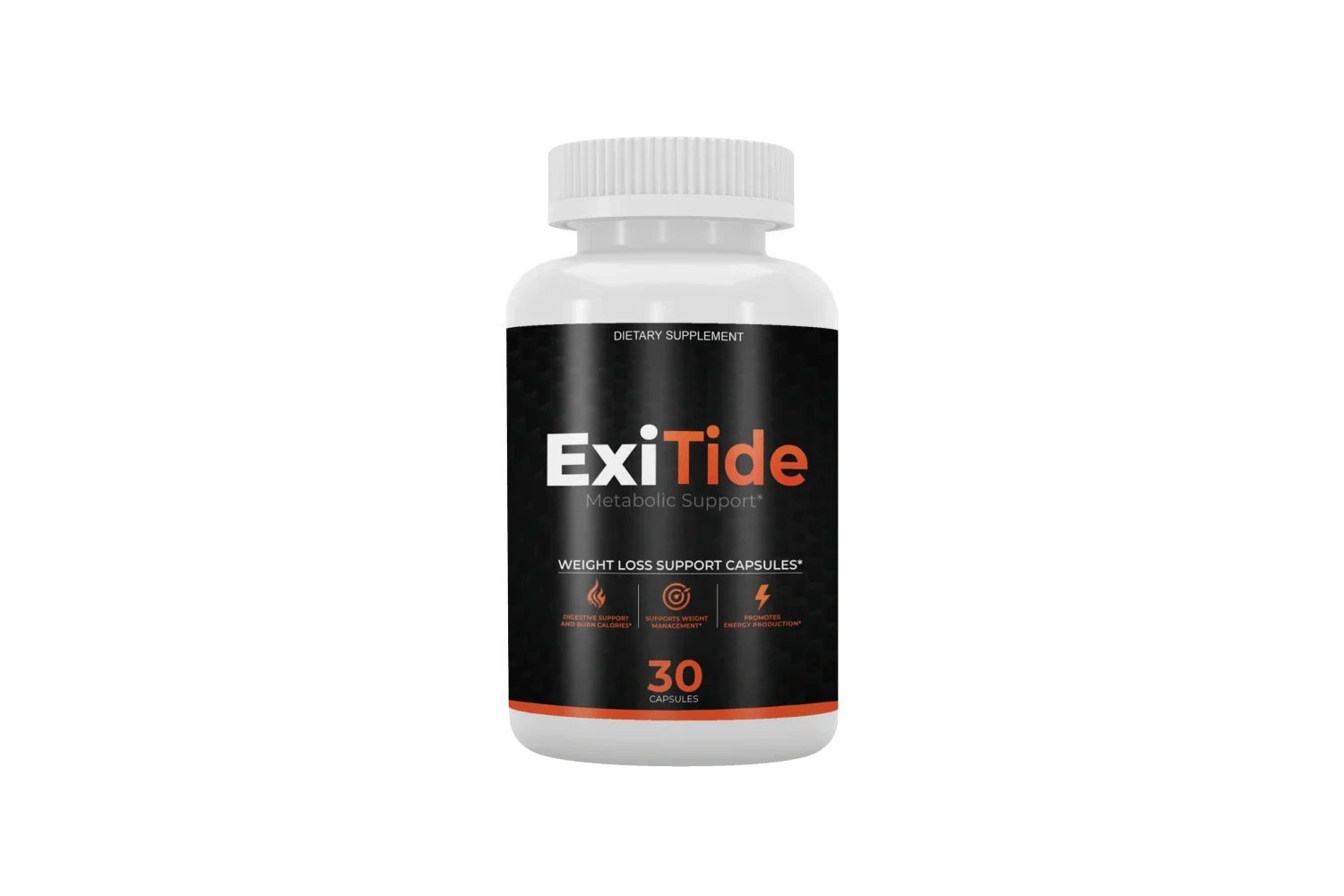
Prefer to read the label yourself first?
The bottle prints every amount, the turmeric row among them. Open the official order page for the current price and the terms.
$49 to $79 a bottle · 60-day money-back guarantee
See today’s price and guaranteeGetexitide earns money on orders placed through this website. The checkout shows the live price before any payment details are asked for.
What does the turmeric row on the ExiTide panel actually say?
The row reads “Turmeric Extract (Std. 95% Curcumin)” and the amount is 15 mg. Two facts sit inside that one line. The first is that the 15 mg is an extract, not ground root. The second is that the maker says 95% of the extract is curcumin.
A standardisation like this turns a name into arithmetic. Take 95% of 15 mg and you get about 14 mg of curcuminoids. Curcuminoids are the yellow pigments in the root, and curcumin is the best known of them.
It is also worth saying what a standardisation is. It tells you what the maker intends the material to hold. It is a specification, not a measurement of your bottle. NCCIH notes that oral curcumin products vary in how much curcumin they actually hold, and a printed percentage at least answers that question before it is asked.
How does 14 mg compare with what the studies used?
The curcumin paper cited on this site is a 2019 meta-analysis by Akbari and colleagues. It pooled 21 studies in 1,604 people. It found small drops in BMI, body weight and waist size. The curcuminoid amounts ran from 80 mg a day up to 1,890 mg, and the most common amount was about 1,000 mg a day.
| Measure | Curcuminoids a day |
|---|---|
| One ExiTide capsule | About 14 mg |
| Lowest amount in the review | 80 mg |
| Most common amount in the review | About 1,000 mg |
| Highest amount in the review | 1,890 mg |
Even the lowest amount in that review, 80 mg, is more than five times what the capsule carries. The most common amount is about seventy times higher. The capsule is not close to a studied amount.
That does not make the row a bad idea or a wrong label. It means the review cannot be quoted as support for one ExiTide capsule. NCCIH is blunter than most sellers would like: not enough is known, it says, to call curcumin beneficial for any health purpose.
This site makes no weight or disease claim of its own about turmeric. The bottle's support lines are the maker's wording, each marked with an asterisk that points to the FDA statement.
Does the turmeric in ExiTide carry the liver warning in the news?
This question deserves a careful answer in both directions. LiverTox is the NIH reference on drug-induced liver injury, and it rates turmeric A for likelihood. In plain words, it calls turmeric a well-documented cause of clinically apparent liver injury. No one should soften that.
The detail is what makes it usable. For a long time, nobody tied turmeric to liver injury. One reason offered was that curcumin is poorly absorbed by mouth. Later, makers found ways to raise absorption, such as adding piperine from black pepper or using lipid nanoparticles. The cases of liver injury were linked to those high-bioavailability forms of purified curcumin. NCCIH makes the same point in shorter form: highly bioavailable curcumin formulations may harm the liver.
On the ExiTide label the turmeric row is a 95% curcumin extract at 15 mg. The label names no piperine and no absorption-boosting delivery system. So the record is a warning about a category with a mechanism attached, not a finding about this capsule.
What the record describes. Onset was usually slow, typically one to four months in, sometimes as early as a few weeks or as late as eight months. It began with fatigue, nausea and poor appetite, and later dark urine and jaundice. People recovered quickly after stopping the product. More than seven in ten of the cases carried one immune-system gene variant that only 10 to 15% of comparison subjects carry.
If you ever notice those signs while taking any supplement, stop it and speak to a doctor. Many people have a turmeric product somewhere at home already. The thing to check on that label is whether it advertises enhanced absorption, black pepper extract or piperine, and to tell your doctor if it does.
What are the label, price and guarantee facts?
| Fact | What is published |
|---|---|
| Turmeric row | Turmeric Extract (Std. 95% Curcumin), 15 mg per capsule |
| Curcuminoids per capsule | About 14 mg (95% of 15 mg) |
| Serving | 1 capsule daily, preferably 15-30 minutes before a meal |
| Packs | 2 bottles $158 plus $20 US shipping; 3 bottles $207; 6 bottles $294, with free US shipping on 3 and 6 |
| Guarantee | 60 days from the date of purchase |
| Who it is not for | Under 18, pregnant or nursing; ask a physician first if you take medicine |
| Trial of the finished capsule | None published |
Why is turmeric on the bottle but not on the listing graphic?
The seller's listing artwork shows six ingredients: riboflavin, mangosteen, prickly pear, cinnamon bark, konjac fibre and alpha lipoic acid. The printed label has eleven. Turmeric, berberine, resveratrol and both live cultures appear on the bottle and not on that graphic.
That is not a trick, and the panel is the stronger source. If you are comparing ExiTide with other products, compare the bottle panel, not the marketing picture. A listing that shows fewer rows than the label is a small flag, and it is better to know it than to find out later.
Who should be careful before taking it?
The bottle gives the plain rule. It says: do not exceed the recommended dose, do not use if under 18 or pregnant or nursing, and consult a physician first, especially if you take a medication or have a medical condition.
A few specific things follow from the turmeric record. If you already have a liver condition, or you take other turmeric or curcumin products, tell the prescriber before you add another. Bring the bottle to the appointment. A panel that names eleven ingredients with amounts is far more useful on a desk than the word supplement.
ExiTide is a dietary supplement. It is not a drug, and no dietary supplement is FDA approved.
What is not published about the turmeric row?
- The part of the plant used and the source of the extract are not printed.
- No assay result for this lot has been published. The lot code and certificate reference are markings on the label and not a laboratory report.
- No study of the finished capsule exists, so the effect of 14 mg of curcuminoids next to ten other rows is unknown.
- How long to keep taking it is not stated beyond the one-capsule-daily suggested use.
Frequently asked questions
How much turmeric is in one ExiTide capsule?
Each capsule holds 15 mg of turmeric extract standardised to 95% curcumin, which is about 14 mg of curcuminoids.
Is 14 mg of curcuminoids enough?
It is much lower than the 80 mg to 1,890 mg a day used in the studies cited on this site. Nobody has published a trial of the finished capsule, so no one can say what 14 mg does.
Does ExiTide carry the turmeric liver warning?
The liver cases on record involve high-bioavailability curcumin products, such as those with piperine. The ExiTide label names no piperine or enhanced delivery system, but anyone with a liver condition should ask a doctor first.
What should I do if I notice dark urine or yellow skin?
Stop taking the supplement and speak to a doctor. Those are signs described in the liver record for turmeric products.
Is turmeric on the listing graphic?
No. The seller's listing graphic shows six ingredients. Turmeric appears on the printed bottle label, which carries all eleven.
Is there a money-back guarantee?
Yes. The seller prints 60 days from the date of purchase. Postage back is paid by the buyer, and the guarantee speaks only to the purchase.
Our view
The turmeric row is small, and the label does not hide that. It is standardised, which lets you do the sum yourself, and it carries no absorption booster, which matters for the liver record. Those are good signs for transparency.
They are not signs of a proven effect. The studies used far more, and the best summary from NCCIH is that not enough is known. If you enjoy the idea of a readable panel and you will judge the capsule over several weeks, the row is fine to accept. If you want trial-sized turmeric, buy a single-ingredient product and speak to your doctor about it.
Whatever you choose, keep medical questions with a clinician who knows your history.
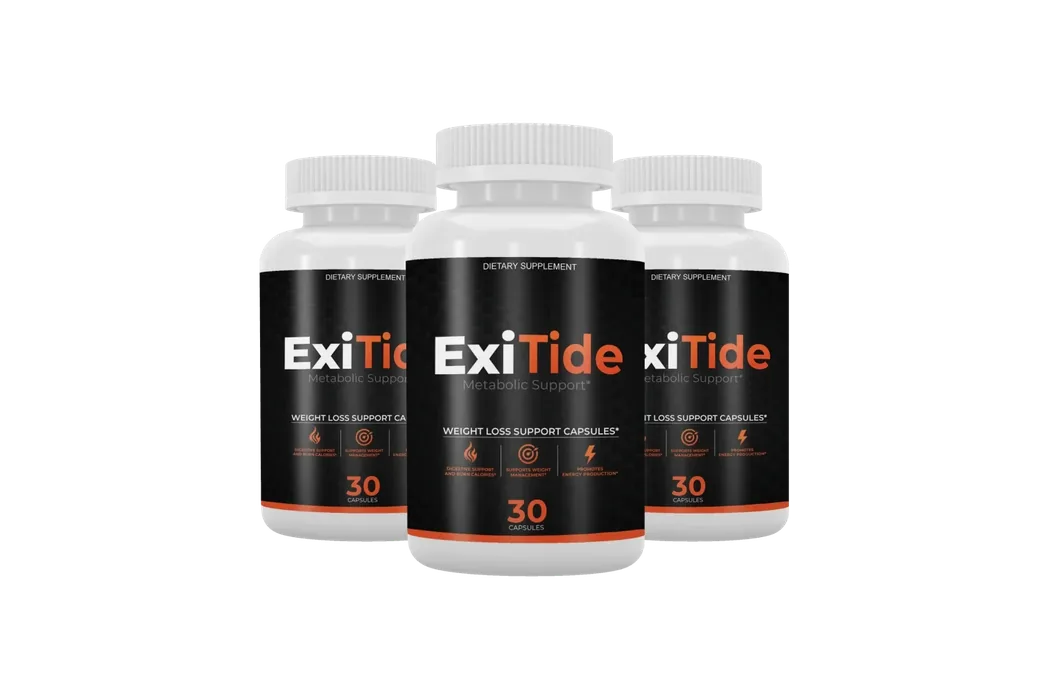
Happy with a readable label and a fair trial?
The seller offers 60 days from purchase to decide, with return postage at your cost. See today's price and the terms before you pick a pack.
$49 to $79 a bottle · 60-day money-back guarantee
See today’s price and guaranteeGetexitide earns money on orders placed through this website. The checkout shows the live price before any payment details are asked for.
Last updated
Sources named on this website and used here
- Akbari M, Lankarani KB, Tabrizi R, et al. The Effects of Curcumin on Weight Loss Among Patients With Metabolic Syndrome and Related Disorders: A Systematic Review and Meta-Analysis of Randomized Controlled Trials. Front Pharmacol. 2019;10:649. https://pubmed.ncbi.nlm.nih.gov/31249528/
- National Center for Complementary and Integrative Health. Turmeric: Usefulness and Safety. https://www.nccih.nih.gov/health/turmeric
- LiverTox: Clinical and Research Information on Drug-Induced Liver Injury. Turmeric. Bethesda (MD): National Institute of Diabetes and Digestive and Kidney Diseases; 2012-. NBK548561. https://www.ncbi.nlm.nih.gov/books/NBK548561/
- U.S. Food and Drug Administration. Is It Really 'FDA Approved'? https://www.fda.gov/consumers/consumer-updates/it-really-fda-approved