ExiTide Official Website › Blog › Bifidobacterium breve in ExiTide
What Is Bifidobacterium Breve in ExiTide, and Does 1 Billion CFU Matter?
ExiTide lists Bifidobacterium breve at 1 billion CFU per capsule. The panel names the species but no strain. The one trial cited here used a named strain, B-3, at 20 billion CFU a day. That is twenty times more, so its result cannot be attributed to this capsule. No trial of the finished product exists.
- Panel row: Bifidobacterium Breve, 1 billion CFU per capsule, with no strain designation.
- CFU means colony-forming units: a count of organisms that can multiply, not a weight.
- The trial cited here gave 80 pre-obese adults a named strain, B-3, at 20 billion CFU a day for twelve weeks.
- Probiotic research is strain-specific, so a species name alone cannot borrow a strain's result.
- The label asks for storage below 30C (86F) because the cultures are alive.
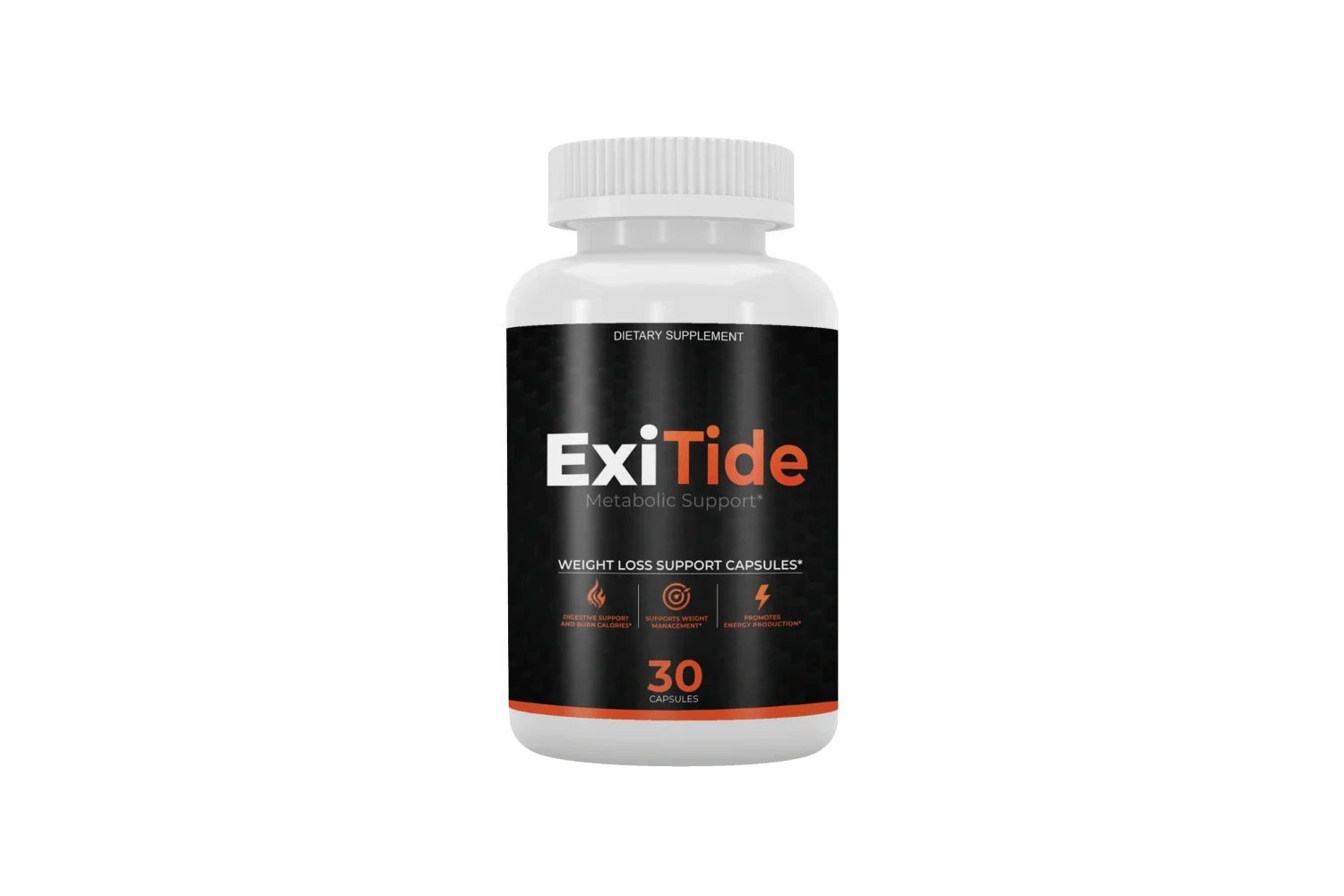
Would you like to see the whole panel first?
Both live cultures and the other nine rows are printed on the bottle. You will find the price and the money-back terms on the official order page.
$49 to $79 a bottle · 60-day money-back guarantee
See today’s price and guaranteeGetexitide earns money on orders placed through this website. The checkout shows the live price before any payment details are asked for.
What does CFU mean, and why is it not in milligrams?
CFU stands for colony-forming unit. One CFU is one organism that is able to multiply. A culture is counted, not weighed, because a weight would describe a powder, and most of that powder is not living organism.
So “1 billion CFU” is a statement about how many are alive. That is the useful unit for a probiotic. It is also the unit that has to meet a definition. The ISAPP consensus statement says a probiotic is made of live microorganisms that, given in adequate amounts, confer a health benefit on the host.
The key phrase there is adequate amounts. What counts as adequate is settled strain by strain, by trials, not by a species name on a label. Keep that in mind through the rest of this page.
One more detail is missing from the panel. It prints the count per capsule, but it does not say how many organisms are still alive at the end of shelf life. Most labels do not say.
What is Bifidobacterium breve?
Bifidobacterium breve is a common resident of the human gut. It is also one of the first species to settle in a newborn. It is a normal part of the gut community, which is a different thing from being a proven aid for any condition.
ExiTide pairs it with a second live culture, Akkermansia muciniphila, at the same 1 billion CFU. You can read about that one in our Akkermansia article. Between them, the two cultures are the only two rows on the panel counted in organisms instead of milligrams.
The panel names the species as Bifidobacterium Breve and stops there. A species is a broad group. A strain is one specific line within it, usually with a code after the name.
What did the Bifidobacterium breve trial use?
The trial this site cites is by Minami and colleagues, published in 2018. It tested Bifidobacterium breve B-3. It was a randomized, double-blind, placebo-controlled trial in 80 pre-obese adults, run for twelve weeks. Participants took 20 billion CFU a day. The company that owns the B-3 strain ran the trial.
| Measure | Trial | ExiTide capsule |
|---|---|---|
| Strain | B-3, named | Not stated |
| Dose a day | 20 billion CFU | 1 billion CFU |
| People | 80 pre-obese adults | No trial of the finished capsule |
| Length | 12 weeks | Not applicable |
Twenty billion divided by one billion is twenty. So the trial dose is twenty times the count in one capsule. And the trial strain is named, while the capsule's strain is not.
That is two gaps at once, and either one is enough to stop the result being passed along. Nothing about the Minami trial can be attributed to this product. It tells you that one named strain was studied at one dose. It does not tell you about the species at large.
What do the label, price and guarantee say?
| Fact | What is published |
|---|---|
| Culture row | Bifidobacterium Breve, 1 billion CFU per capsule |
| Strain designation | Not published |
| Second culture | Akkermansia Muciniphila, 1 billion CFU |
| Storage line | Store in a cool dry place below 30C (86F) |
| Packs | 2 bottles $158 plus $20 US shipping; 3 bottles $207; 6 bottles $294 |
| Guarantee | 60 days from the date of purchase |
| Trial of the finished capsule | None published |
Who should be careful with live cultures?
A live organism is a different kind of ingredient from a plant extract, and the caution is specific. NCCIH says the risk of harmful effects from probiotics is greater in people with severe illnesses or weak immune systems. It adds that severe or fatal infections have been reported in premature infants given probiotics.
The same page says few studies have looked closely at probiotic safety, so there is little solid information on how often side effects happen or how serious they are. It also notes that probiotics sold as supplements reach the market without FDA approval.
This site turns that into a short list of people who should ask first: anyone on immune-suppressing treatment, anyone with a central venous line, anyone in the middle of treatment for a serious illness, and anyone recovering from major surgery.
The label's own rule is broader. It is not for anyone under 18 or pregnant or nursing, and it asks anyone on medicine or with a medical condition to consult a physician first.
What can you expect in the first week?
The common report with live cultures is wind or bloating in the first week. A fermentable fibre and two cultures arriving in a gut that did not have them last week is the ordinary explanation, and it usually settles.
If wind or bloating lasts beyond two weeks, or hurts, stop and ask a clinician. The 60-day window is long enough to absorb that decision.
Heat is the thing that shortens a live count, so follow the storage line. A shelf in a cool cupboard works. A hot car, a steamy bathroom or a sunny sill does not.
What is not published about this row?
- The strain, so no strain-specific study can be matched to the product.
- The count of live organisms at the end of shelf life.
- Any assay for this lot. The lot code and certificate reference on the bottle are printed markings and not a lab report.
- Any trial of the finished capsule.
As a dietary supplement, ExiTide is not a drug and carries no FDA approval.
Frequently asked questions
What does 1 billion CFU mean?
CFU means colony-forming units, a count of live organisms that can multiply. The panel prints 1 billion CFU for Bifidobacterium breve in each capsule.
Is the Bifidobacterium breve strain named on ExiTide?
No. The panel names the species only. Probiotic research is strain-specific, so a result from a named strain cannot be attributed to this capsule.
How does the capsule compare with the trial dose?
The trial cited on this site used a named strain, B-3, at 20 billion CFU a day. One capsule holds 1 billion CFU, which is one twentieth of that.
Who should be careful with live cultures?
NCCIH says the risk is greater in people with severe illnesses or weak immune systems. Ask a physician first if that applies, and note that the label excludes anyone under 18 or pregnant or nursing.
Why does the label ask for cool storage?
The cultures are alive, and warmth shortens a live count. The label says to store the product in a cool dry place below 30C (86F).
Is there a way to try ExiTide with a refund option?
A 60-day money-back window applies from the purchase date. Phone order support first with your order ID, then post the bottles; the postage is yours. You pay the postage back, and the guarantee makes no health promise.
Our view
One billion live organisms of a named species is a clear, readable row. It is not a row you can tie to a study. The only trial we cite used a named strain at twenty times the count, and the label gives neither a strain code nor an end-of-shelf-life figure.
That does not make the culture pointless, and it does not make it proven. If you like the idea of a daily capsule with live cultures and you are healthy, adult and not in any of the groups above, a fair trial is possible. If you have a serious illness or a weakened immune system, ask your doctor first. That is the label's advice and ours.
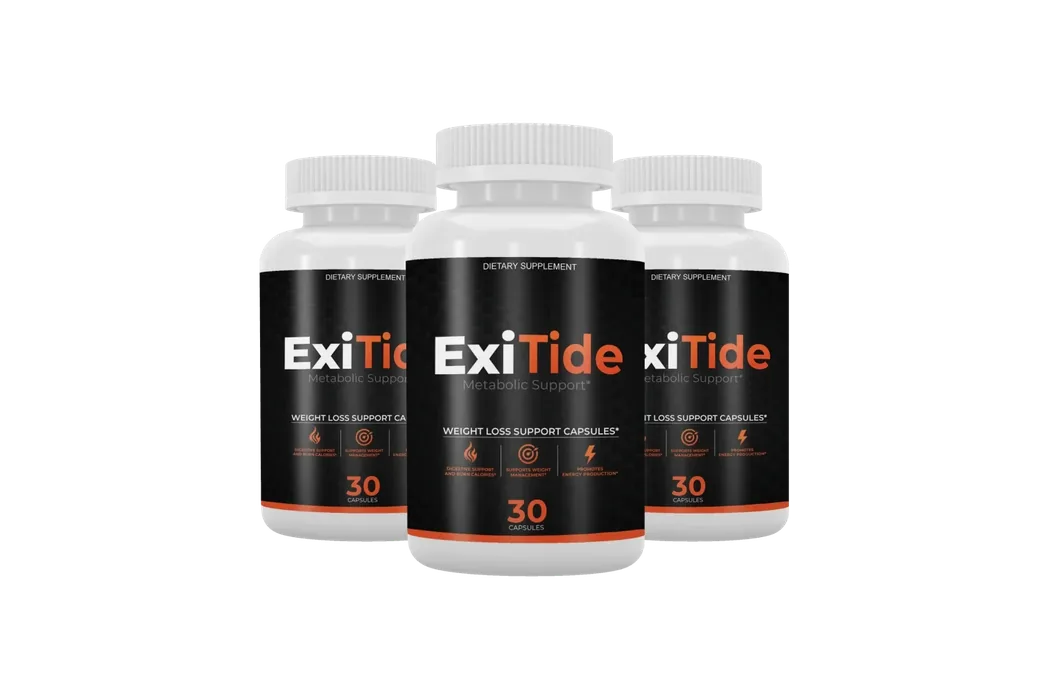
Starting small, with the terms in the open
The seller prints a 60-day window from the date of purchase. See today's price and the terms before you choose how many bottles.
$49 to $79 a bottle · 60-day money-back guarantee
See today’s price and guaranteeGetexitide earns money on orders placed through this website. The checkout shows the live price before any payment details are asked for.
Last updated
Sources named on this website and used here
- Minami J, Iwabuchi N, Tanaka M, et al. Effects of Bifidobacterium breve B-3 on body fat reductions in pre-obese adults: a randomized, double-blind, placebo-controlled trial. Biosci Microbiota Food Health. 2018;37(3):67-75. https://pubmed.ncbi.nlm.nih.gov/30094122/
- Hill C, Guarner F, Reid G, et al. Expert consensus document. The International Scientific Association for Probiotics and Prebiotics consensus statement on the scope and appropriate use of the term probiotic. Nat Rev Gastroenterol Hepatol. 2014;11(8):506-14. https://pubmed.ncbi.nlm.nih.gov/24912386/
- National Center for Complementary and Integrative Health. Probiotics: Usefulness and Safety. https://www.nccih.nih.gov/health/probiotics-usefulness-and-safety