ExiTide Official Website › Blog › Cinnamon bark extract 10:1 in ExiTide
What Is Cinnamon Bark Extract 10:1 in ExiTide, and Is 100 mg Enough?
ExiTide holds 100 mg of cinnamon bark extract at a 10:1 ratio in each capsule. That ratio means about a gram of bark stands behind the 100 mg. It is the one row whose amount sits inside the range used in research. The label does not name the cinnamon species.
- Cinnamon bark extract 10:1 is 100 mg per capsule.
- A 10:1 ratio means about a gram of bark behind the 100 mg.
- The research range pooled in one review was 120 mg to 6 g a day.
- It is the only ExiTide row whose amount sits inside a studied range.
- The label names no cinnamon species and no coumarin content.
- A ratio is not a percentage of any one compound.
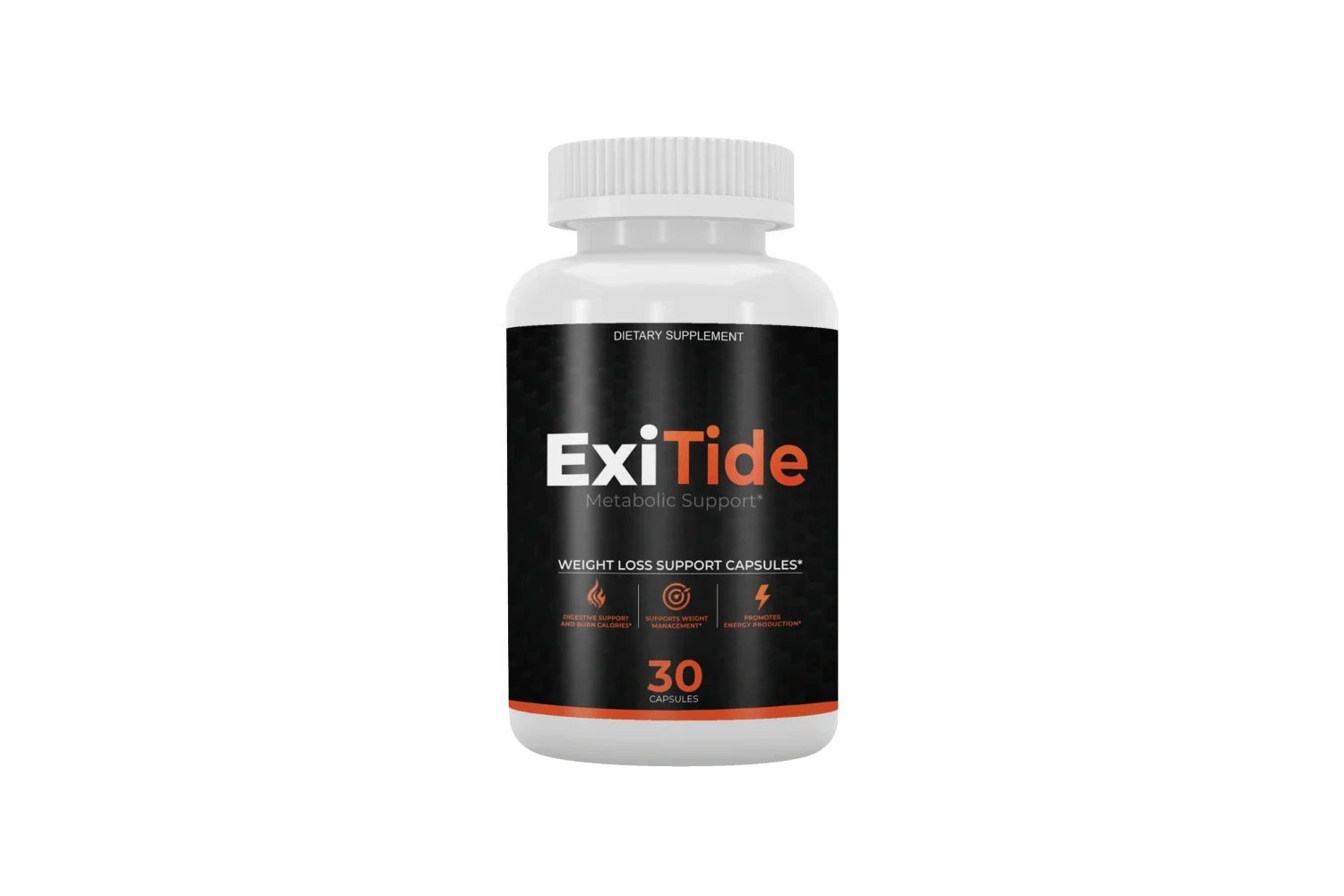
Curious how the other rows add up?
The official page lists the packs and prices, each bottle holding 30 capsules, with the 60-day terms in plain view.
$49 to $79 a bottle · 60-day money-back guarantee
See today’s price and guaranteeGetexitide earns money on orders placed through this website. The checkout shows the live price before any payment details are asked for.
What does a 10:1 cinnamon bark extract actually mean?
A ratio like 10:1 says how much plant went into the powder. Ten parts of bark were concentrated into one part of finished extract. So the 100 mg on the panel is the extract, and the bark behind it is about ten times that, near a gram.
That is a statement about raw material, not about strength. It does not say how much of any one cinnamon compound is inside. A standardised row, such as the konjac fibre at 90% glucomannan, names a compound and a percentage. The cinnamon row does not, so the milligrams of any single compound cannot be worked out.
Is 100 mg of extract the same as a gram of cinnamon?
No, and the careful phrase is “about a gram of bark behind it.” A concentrate has a different make-up from the bark it came from. A ratio does not travel to every compound in the plant. So “equals a gram of cinnamon” would claim more than the label supports.
The sum. 100 mg × 10 = 1,000 mg of bark, which is 1 g. Use it as a sense of scale, not as a promise about content.
What do the label, price and guarantee say about this row?
| Fact | What is published |
|---|---|
| Ingredient name on the panel | Cinnamon Bark Extract 10:1 |
| Amount per capsule | 100 mg |
| Plant material behind it | About a gram of bark, by the 10:1 sum |
| Cinnamon species | Not published |
| Coumarin content | Not published |
| Serving | 1 capsule daily, preferably 15-30 minutes before a meal |
| Packs and price per bottle | 2 bottles at $79, 3 bottles at $69, 6 bottles at $49 (read 18 September 2026) |
| Order totals | $158 plus $20 US shipping, $207 with free US shipping, $294 with free US shipping |
| Guarantee | 60 days from the date of purchase, unless the seller's page prints a longer window |
What range did the cinnamon research use?
One meta-analysis pooled ten trials in 543 people with type 2 diabetes. The daily amounts ran from 120 mg to 6 g, over four to eighteen weeks. Fasting plasma glucose was 24.59 mg/dL lower, and cholesterol and triglycerides were also lower. HbA1c did not move significantly. The paper is Allen 2013, a meta-analysis of cinnamon in type 2 diabetes.
Read that carefully. Those were people with a diagnosed condition. ExiTide is for healthy adults and is not a treatment. The result belongs to cinnamon preparations in those studies, not to this capsule.
Why is cinnamon the one row inside the studied range?
Because a gram of bark sits between 120 mg and 6 g. Every other active row on the panel is below the amounts its research used. Cinnamon is the exception, by the ratio sum.
Be fair about what that earns. Being inside a range is not proof of an effect. The studies used different cinnamon products, and the ExiTide extract is a 10:1 powder of unstated species. It is a reason to take the row seriously, not a reason to promise anything.
Our eleven amounts guide sets every row against its research in one table.
Which cinnamon is it, and why does coumarin matter?
Two kinds of cinnamon are sold under the name. They differ in coumarin, a chemical found in cassia cinnamon. NCCIH covers it on its cinnamon page.
The ExiTide panel does not name the species and does not print a coumarin figure. At 100 mg of extract this site holds no evidence of a problem. But a person who has been told to limit coumarin, or who takes cinnamon from other sources, has a fair question for the seller and for a pharmacist.
How should you take the capsule that holds it?
The label says: “As a dietary supplement, take 1 capsule daily, preferably 15-30 minutes before a meal.” Use a full glass of water, because the capsule also holds a fibre that swells. Do not exceed one capsule a day.
The label also says the product is not for those under 18 or pregnant or nursing mothers, and that anyone on medication or with a medical condition should consult a physician first. See our dosage guide for the routine.
What is still not published about the cinnamon row?
The species, the coumarin level, the extraction method, the supplier and a laboratory report for the lot are not published. The lot code EXI-26/GE-7602 and the certificate reference EXI-7602-26-GE are label markings, not test results.
Anything on those points that a seller does not publish is, for now, unknown. A calm way to handle it is to ask in writing before buying, and to use the 60-day guarantee if you are unhappy with the answer.
Frequently asked questions
How much cinnamon is in ExiTide?
Each capsule has 100 mg of cinnamon bark extract at a 10:1 ratio, which stands for about a gram of bark.
What does 10:1 mean on a supplement label?
It means ten parts of raw plant were concentrated into one part of finished extract. It is not a percentage of any one compound.
Is the cinnamon in ExiTide Ceylon or cassia?
The species is not published on the panel, and no coumarin figure is printed.
Is 100 mg of cinnamon extract inside the research range?
By the 10:1 sum it stands for about a gram of bark, which sits inside the 120 mg to 6 g range pooled in one meta-analysis.
Does cinnamon in ExiTide lower blood sugar?
ExiTide is not a treatment for any condition. The cinnamon research was in people with type 2 diabetes and does not describe this capsule.
Who should ask a doctor before taking ExiTide?
Anyone on medication or with a medical condition, per the label. It is also not for anyone under 18 or pregnant or nursing.
Our view
The cinnamon row is the most understandable on the panel. A ratio, a gram of bark, a research range that contains it. We like that the maths is open. We do not like that the species is missing.
Treat it as one reasonable ingredient in a modest capsule. If coumarin matters to you, ask first. If it does not, the 60-day guarantee is a fair way to find out whether the whole capsule suits you.
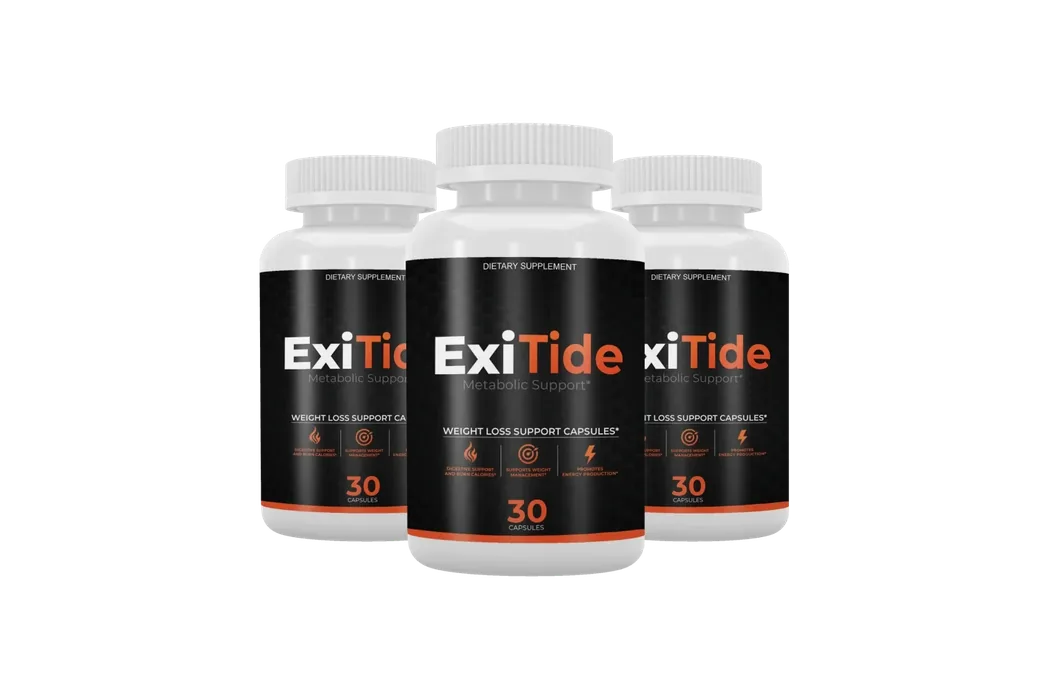
Want to check the price and guarantee yourself?
The checkout shows today's price before any payment details are asked for.
$49 to $79 a bottle · 60-day money-back guarantee
See today’s price and guaranteeGetexitide earns money on orders placed through this website. The checkout shows the live price before any payment details are asked for.
Last updated
Sources named on this website and used here
- Allen RW, Schwartzman E, Baker WL, Coleman CI, Phung OJ. Cinnamon use in type 2 diabetes: an updated systematic review and meta-analysis. Ann Fam Med. 2013;11(5):452-9. https://pubmed.ncbi.nlm.nih.gov/24019277/
- National Center for Complementary and Integrative Health. Cinnamon: Usefulness and Safety. https://www.nccih.nih.gov/health/cinnamon
- U.S. Food and Drug Administration. Structure/Function Claims. https://www.fda.gov/food/nutrition-food-labeling-and-critical-foods/structurefunction-claims