ExiTide Official Website › Blog › Prickly pear extract 4:1 in ExiTide
What Is Prickly Pear Extract 4:1 in ExiTide, and What Do the Trials Say?
ExiTide has 100 mg of prickly pear extract powder at a 4:1 ratio per capsule. By that ratio about 400 mg of cactus pear stands behind it. One 16-week trial at 200 mg a day found no group difference, while a pooled review of five trials reported lower BMI and body fat. Neither tested ExiTide.
- Prickly pear extract powder 4:1 is 100 mg per capsule.
- Four parts of plant made one part of powder, so about 400 mg of plant stands behind the row.
- A 16-week trial in pre-diabetic adults used 200 mg a day and found no group difference.
- A review pooled five cactus pear trials and reported lower BMI, body fat percentage and blood pressure.
- Gastric intolerance was among the side effects in the pooled trials.
- No trial of the finished capsule has been published.
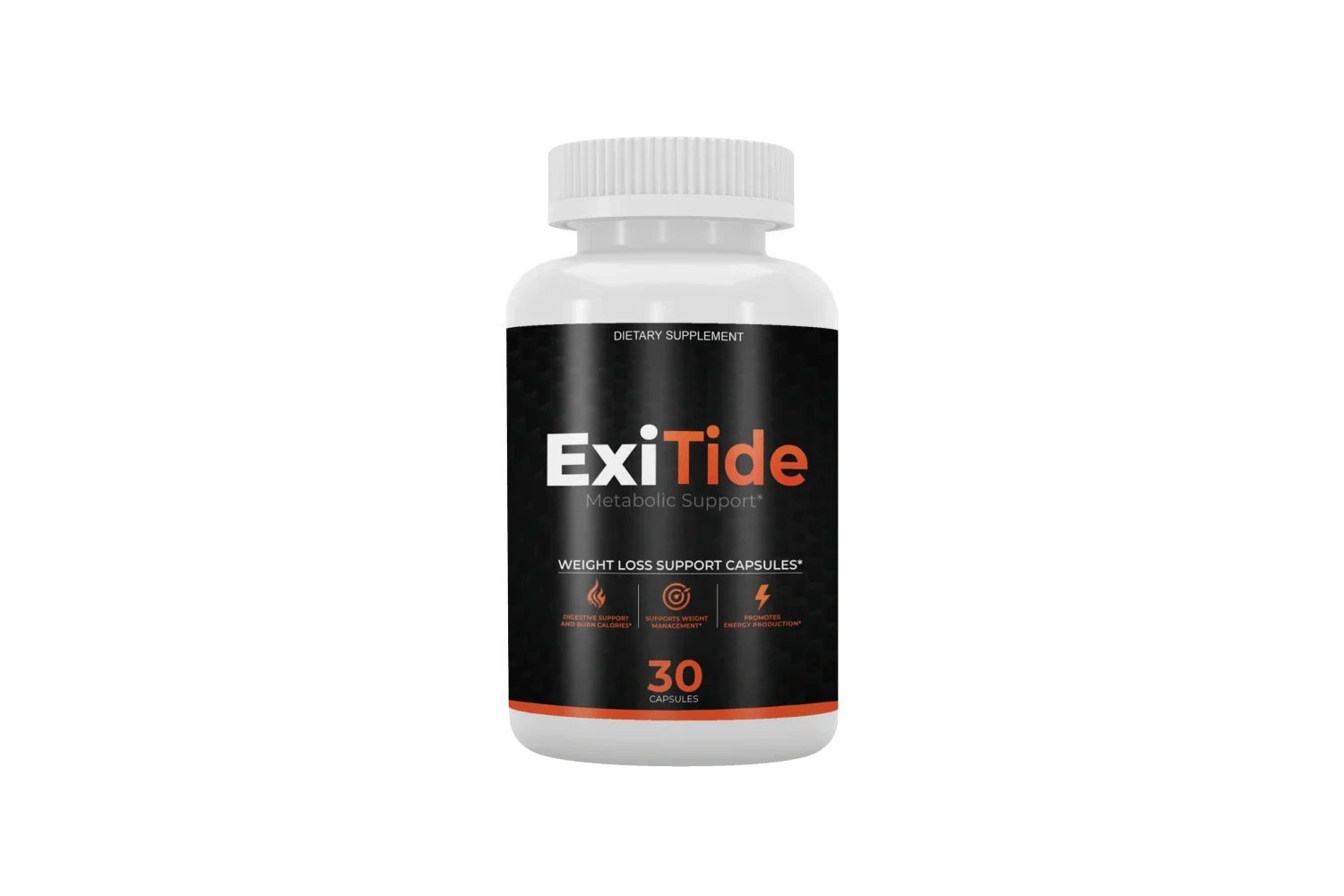
Want to see all eleven rows in one place?
The official page shows the packs, the printed label wording and the 60-day money-back terms.
$49 to $79 a bottle · 60-day money-back guarantee
See today’s price and guaranteeGetexitide earns money on orders placed through this website. The checkout shows the live price before any payment details are asked for.
What is prickly pear, and how does it end up in a capsule?
Prickly pear is a cactus. Its fruit and pads are eaten in many places. To fit it into a capsule, a maker dries and concentrates it into a powder. The ExiTide panel calls the result Prickly Pear Extract Powder 4:1.
The panel does not say which part of the plant was used, or how it was dried. Those are plain gaps, and this page lists them so you can ask.
What does the 4:1 mean, and how much plant is behind 100 mg?
It means four parts of plant were concentrated into one part of powder. So 100 mg of finished extract stands for about 400 mg of plant. The sum is 100 × 4 = 400.
This tells you about raw material, not about the strength of any one compound. There is no percentage on the row, so you cannot turn it into milligrams of a named substance. That is different from the konjac, turmeric and resveratrol rows, which print a standardised percentage.
What do the label, price and guarantee say about this row?
| Fact | What is published |
|---|---|
| Ingredient name on the panel | Prickly Pear Extract Powder 4:1 |
| Amount per capsule | 100 mg |
| Plant equivalent by the ratio | About 400 mg |
| Which part of the plant | Not published |
| Serving | 1 capsule daily, preferably 15-30 minutes before a meal |
| Packs and price per bottle | 2 bottles at $79, 3 bottles at $69, 6 bottles at $49 (read 18 September 2026) |
| Order totals | $158 plus $20 US shipping, $207 with free US shipping, $294 with free US shipping |
| Guarantee | 60 days from the date of purchase, unless the seller's page prints a longer window |
What did the 16-week prickly pear trial find?
The trial gave pre-diabetic adults 200 mg a day of a cactus extract for 16 weeks. It found no difference between groups in glucose tolerance or body composition. The paper is Godard 2010 on prickly pear extract.
Twenty-nine adults took part. That is a small trial. Its result does not prove the extract does nothing, but it gives no support to a bold claim either. The ExiTide amount, 100 mg of a 4:1 extract, is in the same order of size as the trial dose.
What did the pooled review of cactus pear trials report?
A 2015 systematic review and meta-analysis pooled five trials. It reported lower BMI, lower body fat percentage and lower blood pressure. Gastric intolerance was among the adverse events in those trials. You can open it through Onakpoya 2015 on cactus pear.
Pooling a handful of small trials gives a hint, not a verdict. The products, doses and people differed. A fair reading is that cactus pear has some research interest. It does not follow that a 100 mg row in a mixed capsule does the same thing.
Is there anything to watch for?
Gastric intolerance appeared in the pooled trials, so an upset stomach is the plain thing to watch. ExiTide also holds a fibre that swells with water, so use a full glass of water with each capsule.
The label says the product is not for those under 18 or pregnant or nursing mothers, and that anyone on medication or with a medical condition should consult a physician first. This is a dietary supplement, it is not FDA approved, and it is not a treatment for any condition.
How does this row compare with the others on the panel?
It shares the top amount with mangosteen powder and cinnamon bark extract, all at 100 mg. But 100 mg of a 4:1 extract and 100 mg of a 10:1 extract carry different amounts of plant behind them, about 400 mg and about a gram. Milligrams on a label are not a fair way to compare unlike rows.
See our ingredient list guide for all eleven rows, and the ingredients page for what each study used.
What is not published about the prickly pear row?
The species, the plant part, the drying method, the supplier and a laboratory report are not published. The lot code is a label marking and not a test result. No trial of the finished capsule exists, so nothing here says what the row does inside it.
If a missing detail matters to you, write to the website desk at [email protected] before ordering.
Frequently asked questions
How much prickly pear is in ExiTide?
Each capsule has 100 mg of prickly pear extract powder at a 4:1 ratio, which stands for about 400 mg of plant.
What does 4:1 mean on a supplement?
It means four parts of plant went into one part of finished extract. It is not a percentage of any compound.
Did the prickly pear trial show a benefit?
The 16-week trial at 200 mg a day found no difference between groups in glucose tolerance or body composition.
Does prickly pear cause side effects?
Gastric intolerance was among the adverse events in the pooled cactus pear trials. Take the capsule with a full glass of water.
Is prickly pear in ExiTide proven to help with weight?
No. ExiTide has not been tested in a published trial, and the research on cactus pear used other products and doses.
Who should avoid ExiTide?
Anyone under 18, and anyone pregnant or nursing. Others on medication or with a medical condition should consult a physician first.
Our view
Prickly pear is a mild, mixed row. One small trial found nothing, and one pooled review found something small. The amount in the capsule is of the same size as the trial dose. We would not buy ExiTide for this row alone.
What we like is that the ratio is printed, so the sum is honest. What we want is the plant part and a lab report. Until those exist, treat the row as a modest extra and judge the whole capsule by the guarantee.
Ready to check today's price?
The checkout shows the live price and shipping line before any payment details are asked for.
$49 to $79 a bottle · 60-day money-back guarantee
See today’s price and guaranteeGetexitide earns money on orders placed through this website. The checkout shows the live price before any payment details are asked for.
Last updated
Sources named on this website and used here
- Godard MP, Ewing BA, Pischel I, Ziegler A, Benedek B, Feistel B. Acute blood glucose lowering effects and long-term safety of OpunDia supplementation in pre-diabetic males and females. J Ethnopharmacol. 2010;130(3):631-4. https://pubmed.ncbi.nlm.nih.gov/20621660/
- Onakpoya IJ, O'Sullivan J, Heneghan CJ. The effect of cactus pear (Opuntia ficus-indica) on body weight and cardiovascular risk factors: a systematic review and meta-analysis of randomized clinical trials. Nutrition. 2015;31(5):640-6. https://pubmed.ncbi.nlm.nih.gov/25837206/
- U.S. Food and Drug Administration. Structure/Function Claims. https://www.fda.gov/food/nutrition-food-labeling-and-critical-foods/structurefunction-claims
- Federal Trade Commission. Health Products Compliance Guidance. https://www.ftc.gov/business-guidance/resources/health-products-compliance-guidance